





WhatsApp Icon
top of page

Search Results

181 results found with an empty search

  • Is Fashion Design Management Worth It?

    Have you ever wondered what happens behind the scenes when Zara drops a collection that sells out in hours? Or how Gucci's latest campaign becomes trending within hours? That's where Fashion Design Management comes in and it's way more exciting than its formal name suggests. What's It Really About? Fashion Design Management is a multidisciplinary degree that lets you work on creative and commercial aspects of the fashion industry. The biggest mistake that students make is giving in to the old-school image of fashion being just about sketching designs. Fashion Design Management is a starkly different process, one where your creativity makes smart business decisions that truly matter. It's not the good old picking fabrics and cutting them up or blindly jumping on social media trends. As a Fashion Design Manager, you're responsible for scrutinizing why certain designs fly off the shelves while others don't, how you can make sustainable fashion a profitable business and what it is that makes shoppers tick in different markets. The Industry Wants You Some of the top players in the fashion industry are on a serious talent hunt right now. Hermès, Chanel, and Louis Vuitton are actively recruiting graduates with specialized fashion management degrees. You may ask why. This is because they need people who understand both the art and science of fashion.  LVMH, a fashion conglomerate, recently launched their own talent accelerator program for fashion graduates. Gucci's parent company, Kering, is constantly on the lookout for fresh perspectives in their management trainee programs. Even digital-first brands like Farfetch and Net-a-Porter are building teams of fashion management specialists who can innovate in luxury and technology. With a degree in Fashion Design Management, you're someone who speaks the fashion industry's secret language. Beyond the glitter and glamor, brands value this because you understand everything from supply chain sustainability to digital showroom management and possess skills that are now non-negotiable in fashion's new era. The Digital Revolution Has Changed Everything Do you remember when fashion was all about physical stores and seasonal catalogs? Those days are gone. The industry has gone through a massive digital transformation, and it's creating jobs we couldn't have imagined a few years ago. Major brands are scrambling to find people who get both fashion and digital innovation. Luxury powerhouses like Louis Vuitton and Burberry aren't just looking for traditional designers. They now want people who understand TikTok trends, virtual try-ons, and how to make sustainable fashion appeal to Gen Z. Here is what's hot in the design and fashion industry right now: Managing virtual fashion shows (yes, that's a real thing) Creating strategies for digital-first fashion brands Leading sustainability initiatives for major labels Running e-commerce operations for luxury houses Developing AR/VR shopping experiences The Reality Check Let's talk about money and prospects because passion doesn't pay the bills. But I have good news for you. Fashion Design Management can be surprisingly lucrative. Starting salaries are decent ($45,000-$60,000), but here's where it gets interesting. After a few years of work experience, you could be looking at $80,000+ managing brand strategies or digital initiatives. And, the real goldmine here is that the industry keeps growing in unexpected ways. Sustainable fashion is a booming industry, luxury brands are expanding into gaming and NFTs and personalized shopping experiences are becoming the norm. Each of these trends bring promising new opportunities for Fashion Design Management graduates.  Why a degree in Fashion Design Management is Worth Considering The field allows you to be creative while making a real business impact. You could be the brain behind strategies that make sustainable fashion mainstream, or pioneer new ways for people to experience fashion through technology. And the best part is that you don't need to be a fashion insider to start. What brands really want are people who understand both creativity and commerce. To get started, look for programs that offer real-world projects with actual brands, strong digital components, and good internship connections. The fashion world is always looking for fresh perspectives, and right now, it needs people who can help it plan for the future. If you are someone who gets excited about both the creative and business sides of fashion, and you're curious how technology is reshaping the industry, Fashion Design Management could be your calling. The industry is evolving fast, and it needs people who can keep up with its pace while pushing it forward. The future isn't coming: it's here, and a career in Fashion Design Management puts you right at its center. 📞 Call us at +91 9654223759 📧 Email: info@uninxt.com to explore how we can help you turn your international career dreams into reality.

  • Everything you need to know about pursuing an MBBS in Kyrgyzstan

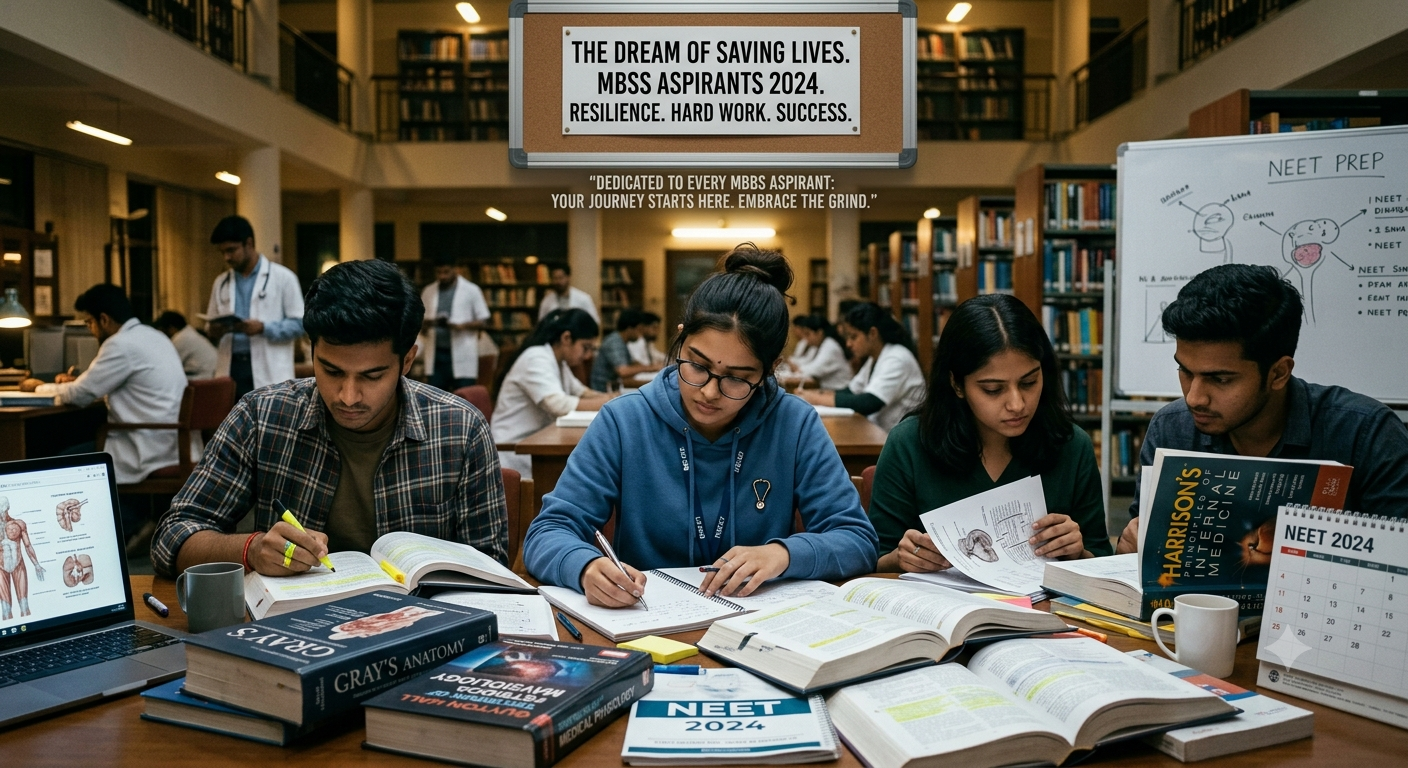
    This blog, as the name suggests, is an exhaustive and brief guide for medical aspirants. However, even before we get into the details, chances are that you are unaware of the existence of a country with such a name. But don't sweat it, you are not the only one. Half of the student population in India  have likely never heard of Kyrgyzstan. And this is perhaps why this promising country has seen so little enrollment into its programs. The country is one of the easiest to get into and also among the most affordable for the average Indian student.  If you are a student dreaming of a medical career in 2025, you know that choosing where to study can make or break your future. Kyrgyzstan, a nation in Central Asia, has quietly attracted international medical students over the past few years. But today, we're letting the cat out of the bag. Here's everything you need to know about pursuing your MBBS degree in Kyrgyzstan.   Kyrgyzstan makes financial sense As is the case with most international study abroad destinations that are up and coming, Kyrgyzstan is a courteous and humble country that is hardly flashy in its offerings. The number of Indian students who enrol themselves into medical programs across the country is steadily increasing. This is the single most affirmative proof of the possibilities that the country is offering for Indian students on a tight financial budget. While private medical colleges in India can drain your savings, Kyrgyzstan acknowledged the fact that your dreams don't have to go bankrupt. The country is offering medical programs at a fraction of the cost of a similar program back in India.  Annual tuition in the country ranges anywhere between INR 15 lakhs to INR 30 lakhs for a 5 year degree in the country. When you compare this to Indian private institutions charging upwards of INR 50-80 lakhs, the savings become impossible to ignore. Yet the quality of education remains competitive with international standards. Getting in: What you need to know The admission requirements are straightforward. You'll need to have completed your 12th grade with at least 50% in Physics, Chemistry and Biology. Indian students must clear NEET and the minimum age requirement is 17 years. Most universities in the country offer two major intake periods annually, falling in February and September respectively. The admission process is less competitive than many other countries and since most programs are taught in English, students do not have to worry about lingual barriers. The local culture is also highly receptive and welcoming to international students. Top medical universities worth considering in Kyrgyzstan  Several Kyrgyz institutions have earned international recognition and approval from bodies like the National Medical Commission (NMC), World Health Organization (WHO) and FAIMER. Here are some prominent ones with a notable presence of Indian students: Kyrgyz State Medical Academy  International School of Medicine (ISM), Bishkek Jalal-Abad State Medical University  Osh State University  Asian Medical Institute  The MBBS program spans six years with the final year dedicated to a compulsory internship. The first five years covers everything from basic anatomy and physiology, surgery, pediatrics and forensic medicine among others. The internship year is where students get to test their learning in practicality. Students work in actual hospital settings and benefit from experience that prepares them for medical practice anywhere in the world.  If you're an Indian student who is open to taking on the rewarding challenge of studying abroad and adapting to an entirely new environment, Kyrgyzstan is a country worth flying to in pursuit of your white cost dreams. However, you don't have to take the lead alone. To learn more about pruning and the MBBS programs in Kyrgyzstan, 📞 Please call us at +91 9654223759 📧 Email: info@uninxt.com

  • Why Indian Students in the UK Deserve Better Career Support

    Graduating from a top UK university should feel like opening doors and not hitting walls. For the approximately 166,000 Indian students currently pursuing education in Britain, the largest international student group in the country, the reality after graduating with their hard-earned degrees has become increasingly frustrating.  Despite investing thousands of pounds in their education, many Indian students and their families find themselves sending out job applications that seem to disappear into a void of rejection, silence, and uncertainty. However, we have good news.  Earlier this week, something significant began to transpire for Indian graduates in the UK on the hunt for jobs. The Indian National Students Association (INSA) UK joined hands with AI-powered platform Creoo to launch the Indian National Students Employability Council (INSEC)  at the India-UK Student Leadership Summit in London. Held in the Houses of Parliament complex, the summit brought attention to a problem that's been quietly growing: Indian graduates in the UK aren't getting fair shots at employment, regardless of their qualifications. And which many Indian graduates say is a result of what they call an ‘underlying bias’  held by British employers.  The past and hopes of a better future Over the past 18 months, more than 36 panels have taken it upon themselves to actively bat for and discuss challenges faced by international students in the UK and beyond. Yet, Indian students report seeing almost no real improvement in their job prospects.  But representatives like Ayesha Goyal, founder and CEO of Creoo, are now stepping in to offer this negotiation a better chance at fighting. Goyal has made it clear that INSEC (Indian National Students Employability Council) is not merely another talking shop. He says that it is a commitment that starts immediately, with concrete actions planned for the welfare of talented Indian graduates in the UK. The Post-Study Work Visa Problem Indian students arrive in the UK with high hopes, backed by the graduate route visa  that allows them to work for up to 18 months after finishing their studies. On paper, it sounds promising. But in practice, something else is happening. Students report that companies either reject them outright or simply never respond to their applications at all. "What is the point of doing studies here when I do not even get a response to my application from the employer?" asked Amit Tiwari, INSA UK National President. It's a question that is representative of the experiences of hundreds of thousands of Indian graduates who moved to the UK in hopes of better career prospects. What INSEC Plans to Do INSEC has committed to specific actions rather than vague promises. Here is what they are doing: The coalition is launching a National Career Roadshow  across leading universities to provide direct support to students.  The organization is also conducting what is the very first UK-wide study on Indian student outcomes.  The findings of this study are set to be released early next year. This research should finally provide hard data on what's actually happening to Indian graduates in the job market. A National Advisory Board  will also allow and offer Indian students the opportunity of direct representation in policy decisions that affect their futures.  INSA UK is also in discussions with the High Commission of India and the Foreign, Commonwealth  and Development Office  to lobby for employer education programs. The goal is straightforward: getting UK companies to treat Indian students as equals when considering candidates. The Bigger Picture 2025 has been an important year for India's relation with the United Kingdom. A substantial focus of India's longstanding ties with the country is education, employment, and trade. With the Comprehensive Economic and Trade Agreement (CETA) finalized during Prime Minister Narendra Modi's visit in July earlier this year, the international education space awaits brand new opportunities for Indian students in the upcoming year. Labour MP Navendu Mishra opened the summit by pointing out that after 10 years of dialogue, the two countries have finally reached this trade deal. For Indian students who've left their country for the first time, invested heavily in their education, and followed all the rules, the current situation is a waste of talent that both countries need. INSEC has taken on the task of breaking this pattern and allowing for better employment opportunities to knock through the doors of talented Indian graduates in Britain. 📞 Please call us at +91 9654223759 📧 Email: info@uninxt.com

  • Are extracurricular activities important for the admissions committee?

    A short answer to this long-standing question is yes, extracurricular activities do play a significant role in your admissions process. Now, here’s the longer answer: Undoubtedly, a strong academic record will help your application stand out from the crowd. But here's the catch. Take a moment to ponder upon how many of your fellow applicants will have excellent grades in their academic record, too. This is especially the case for the top schools in the country. The best academic minds from across the globe are scurrying to get in. When your A’s don't help, what else will?  Why should I engage in extracurricular activities as a student? Dear applicants, this is your reminder to not put all your eggs in one basket. Admissions committees look beyond grades to discover well-rounded individuals who demonstrate leadership, commitment, and passion. These extracurricular activities are what will help you paint a fuller picture of your personality, interests and your vision as a student.  This is why you must engage in extracurricular activities from as early as high school. If you haven't started yet, don't worry. It’s never too late.  Now is a good time to start! What are some extracurricular activities that will make me stand out from the rest?  There is an exhaustive list of extracurricular activities for you to pick from. However, here we are highlighting 4 extracurricular activities that are sure to make you stand out in the applicant pool: 1. Take up a leadership position : Holding a leadership position in a student organization or a club demonstrates your ability to manage, motivate, and lead others. Serving as student body president, captain of a sports team or founder of a new club can add a valuable feather to your hat.  2. Do volunteer work : Volunteering shows your commitment to community service and your strong desire to create a positive impact in the society. You may organize community clean-up events, volunteer at local shelters or food banks.  3. Participate in clubs : Participation in academic clubs and competitions shows off your intellectual curiosity and dedication to learning that goes beyond the classroom. Being an active member of the debate team or competing in a math olympiad could help you make your mark.  4. Engage in research projects : Conducting research and especially if you go on to publish or present your findings in a public forum, will reflect your commitment to advancing knowledge in your field of interest. Not too many of your peers may be doing research on their own. This is the case for obvious reasons: research is time-consuming and is hard, tedious work.   We are committed to helping students find their passion and make the most out of it. For more personal career guidance, book a session with us today. 📞 Please call us at +91 9654223759 📧 Email: info@uninxt.com

  • The OPT Pathway Crisis: What To Do To Better Your Chances

    The Optional Practical Training (OPT) is an important and most sought-after pathway for international students in the USA who seek to then work in the country. Initially, it began as a short-term skill development initiative, however the program now allows holders of the F-1 visa to work in the US for up to 3 years after completing their STEM degrees. This pathway is also particularly significant for Indian students who make up a substantial portion of STEM graduates in US universities.  What's Making This Pathway Increasingly Difficult in 2025 Since the beginning of 2025, the OPT program has undergone multiple changes that have come under intense scrutiny. A major point of contention came up earlier this year after Bloomberg's investigation into Boeing 737-Max airplane crashes. The investigation pointed out that some software work associated with the airline's functioning were outsourced to Indian IT firms at remarkably low rates. This then set off a series of widespread debates about whether immigrants and OPT workers were involved, raising some serious questions about quality control and safety standards.  Additionally, the US Tech Workers group didn't hold back and termed the OPT pathway a ‘guest worker scheme’ in disguise. They claim that universities are much more interested in selling work permits than they are in providing quality education. Social media also buzzed with heated debates, with users calling thid pathway ‘more problematic’ than the existing H-1B visa system.  What This Means For International Students and the STEM Workforce The implications of potential changes to the OPT program extend far beyond individual students. Currently, thousands of international students rely on this program as their primary means of gaining practical experience in their field of study. For many Indian students, it's their only shot at the American dream. There are thousands of bright minds who've planned their futures around this program.  But now, that future seems less certain. Companies, especially in tech hubs, are watching closely too. After all, these students often bring fresh perspectives and skills that keep American businesses competitive. The program has become particularly important in STEM fields, where practical is just as valuable as theoretical knowledge. The uncertainty surrounding the program's future has created anxiety among current students and those planning to study in the US in 2025. Changes Under Trump's Presidency With Donald Trump's return to presidency in 2025, significant changes to the OPT program appear likely. Based on policies from his previous term and recent campaign statements, experts are anticipating even stricter regulations and potentially reduced program duration.  The Trump administration's ‘America First’ approach might lead to more stringent eligibility criteria and increased scrutiny of participating employers. This could particularly affect STEM students from countries like India and China, who make up a substantial portion of OPT participants. Industry analysts are suggesting that international students prepare for possible program overhauls, including improved monitoring procedures and revised wage requirements. Options Available After a STEM OPT Denial Immigration attorneys are emphasizing that a denial is not necessarily the end of your ambition to study in the USA. Here are a few steps you can take to reconsider: 1. File a Motion to Reopen or Reconsider (MTR) If USCIS made a factual or legal error, or if new documents can clarify your employment eligibility, you can file an MTR. This option is strongest when the denial resulted from misunderstanding or incorrect interpretation of your training plan, employer details or payroll evidence. However, an MTR doesn't restore work authorization during the pending period, so you must stop working unless you have another valid status. 2. Refile a New STEM OPT Application If the denial is due to a correctible issue and you're still within your 60-day grace period, a new STEM OPT application may be possible if your Designated School Official (DSO) can reissue an updated I-20. This option depends on whether your original OPT period ended less than 60 days before the new filing and whether your DSO is willing to recommend a fresh extension. 3. Transfer to a New Academic Program Enrolling in a new degree program can help maintain F-1 status as you regroup. However, this means giving up your remaining OPT period and starting fresh with a new academic record. 4. Explore Cap-Exempt H-1B or O-1 Visa Pathways If you have a firm job offer, cap-exempt H-1B positions (through nonprofits or universities) may be an option. Highly skilled profiles in research or innovation may also qualify for O-1 visas. These options depend heavily on employer sponsorship capacity. 5. Consider Departure and Re-entry Some graduates switch to visitor status (B-1/B-2) to wrap up personal matters before leaving, and others explore work visas from outside the US. Departure is sometimes the cleanest option to protect future immigration prospects, especially if status violations are a risk. The Future of The OPT So, where do we go from here? While the OPT program faces an uncertain future, for current and prospective international students, it is important to stay informed about these developments. For the latest updates on the OPT program and related immigration policies, follow our newsletter on LinkedIn and visit our blog at www.uninxt.com . To learn more about studying in the USA and gaining work experience through the OPT, 📞 Please call us at +91 9654223759 📧 Email: info@uninxt.com Our qualified educational counselors will assist you throughout.

  • The American Dream Slips Away: Indian Students Turn Their Backs On the USA

    Indian student applications to colleges in the USA from India have dropped by a whopping 14% this year. It is the first decline since 2020 and one of the largest yet. The American dream now appears to be slipping away. This data is extracted from Common App, a unified system that more than 1,100 American universities rely on to process international applications.  Overall international applications fell 9% by November compared to last year. India, the largest source of foreign students to America, leads this retreat with Indian students turning their backs on the USA. African applications have dropped 18%. Asian applications fell 9%. Even China, the second-biggest contributor, saw numbers dip by 1% after strong growth last year. All of these statistics mark something shifting beneath the surface of what we thought we knew about opportunity and belonging in America. The Visa Labyrinth Visa processing in the USA now spans months and sometimes even an entire year. When interview slots open up, they vanish within seconds, and bureaucratic delays stretch from weeks to. A fear of rejection hangs heavy for many Indian applicants, with qualified candidates being turned away without explanation. There is minimal logic to it. However, there's a whole lot of waiting and hoping, and sometimes neither of them seems to work. The situation has only intensified since January this year, which roughly marks when the White House began tightening its immigration policies. The government has made it much harder to get in, the effects and consequences of which are just beginning to reflect in enrolment numbers. Application and visa requirements have become labyrinths with no clear exit, and the rules have all abruptly changed as Indian students attempted to catch up midway. Universities in the USA Begin to Feel the Heat The Trump administration has proposed a $100,000 fee on H-1B visa employers. They want to cap international students at 15% per campus. For Indian families already stretching every rupee, the math no longer adds up. Many families are reconsidering whether the investment makes sense: spending lakhs on education with no guarantee of post-graduation employment. Indian students are now asking themselves if the cost is worth the gamble. Increasingly, the answer is no. On that note, American universities are losing applicants as well as looking on as their revenue streams run dry. Most international students who enrol pay full tuition with little or no financial aid. This is an attractive proposition for institutions that are struggling with budgets. Presently, as a direct consequence of a drop in enrolments, acclaimed schools like Cornell and Columbia are finding themselves under federal investigation for depending too heavily on international enrolment. Cornell struck a deal recently to restore $250 million in federal funding. In exchange, they agreed to invest $60 million in agricultural research and payments to the US government. Columbia University has also promised to reduce its reliance on foreign students. They have since agreed to cooperate with immigration enforcement against visa violators.  Where Indian Students Are Going Instead Indian students are not giving up on education abroad and have begun to look elsewhere. Canada, the UK, Australia and a number of European countries with straightforward visa processes are becoming much more alternative. These countries are making international education accessible without the anxiety and bureaucratic confusion that now defines the American visa application process. They are offering something that America seems to have forgotten: a sense that foreign students might actually be wanted. What the Future Holds Statistics from Common App only display applications that are submitted by November 1. The full cycle, however, runs through March. Therefore, we might see changes and further decline. We may also witness some recovery. Last year showed us that these early numbers do not always predict final outcomes. Applications were strong initially but concluded with an overall decline by March. For decades, studying in America meant opportunity and a pathway to something better than what Indian students left behind in their homeland. In 2025, it increasingly means uncertainty and expense and risk without reward.  Until US immigration policies stabilise and visa processes become transparent, Indian families will continue weighing their options. 📞 Please call us at +91 9654223759 📧 Email: info@uninxt.com

  • Why January 2026 is Your Best Bet for Studying at the University of East London

    The decision to pursue higher education abroad is, by no means, a minor one. Students spend months deliberating over which university to apply to, which program to select and which intake period would best suit their academic trajectory. Perhaps, one could work on an entirely new article about the human propensity for students to apply to universities without checking the intake dates. For those eyeing the United Kingdom as their study destination, the University of East London presents a compelling case this January 2026. With its recent accolades and as one of London's most happening business districts, UEL is a frontrunner for international students seeking quality education and tangible career prospects. A university that knows what teaching means The University of East London recently clinched the title of University of the Year for Teaching Quality according to the Times & Sunday Times Good University Guide 2025. This is no small achievement in a country saturated with prestigious institutions. What makes this recognition particularly noteworthy is UEL's simultaneous ranking as the number one university in London for Teaching Satisfaction by the Guardian University Guide 2025.  A university that prioritizes how knowledge is delivered, how students are supported and how learning is structured creates graduates who are genuinely prepared for professional life. It was a striking achievement that took center stage. Over 40,000 students from more than 160 countries currently study at UEL. This diversity is far beyond ornamental. It's fuss-free, straightforward and supportive. Location with economic substance: a star that's hard to ignore UEL's position in the Docklands area is worth examining. New tech startups crop up here frequently. By 2030, the area expects to generate 125,000 new jobs. The infrastructure investment, corporate relocations and startup ecosystem already visible suggest these figures are conservative, if anything. For students, this is a better shot at internship opportunities, part-time work during studies and potential full-time employment post-graduation. The geographical advantage of being embedded in an active business hub rather than a sleepy university town is almost impossible to ignore. Programs that respond to market demands UEL's course offerings span from Psychology and Law to Computer Science and Artificial Intelligence, from Fashion and Performing Arts to Engineering and the Built Environment. The institution also offers programs in Counselling, Communities and Social Work. This breadth allows students to pursue both traditional disciplines and emerging fields without compromising on teaching quality or career preparation.  On the contrary, modern degree programs at UEL are built to bring order to an academic chock-a-block. No matter the density of student interests, each program warrants its own well-earned place in the curriculum. The January 2026 intake is an alternative timeline for students who may have missed September deadlines or who prefer to graduate at a different point in the calendar year. This flexibility in academic scheduling is particularly valuable for international students coordinating visa applications, financial arrangements and travel logistics. It's time-consuming and riddled with one too many second guesses when done alone but UEL's admissions team is prepared and primed to endure the process for you. The financial consideration Tuition fees begin at £14,550 GBP, positioning UEL as a more accessible option compared to many London universities where annual fees frequently exceed £20,000. Additionally, scholarships of up to £2,500 are available, though students should investigate eligibility criteria and application requirements independently. It is relatively inexpensive compared to other London institutions.  However, most students then pay with opportunity and time as currencies when they select universities based solely on cost. The cost of studying abroad extends beyond tuition, naturally. London's living expenses are substantial. However, the career prospects linked to UEL's location and industry connections suggest a reasonable return on investment for students who actively leverage available opportunities. For University of East London, you subscribe to upscale the overall effectiveness of your academic and professional journey. Although pricier than some regional universities, students pay for value that then pays forward in the longer run. A decision worth making: switch to excellence with UEL The University of East London has been operating since 1898, which provides a certain institutional stability often absent in newer universities. Its recent teaching awards demonstrate that longevity hasn't bred complacency. For students considering the January 2026 intake, UEL presents a combination of recognized teaching quality, meaningful diversity, strategic location and career-relevant programs.  If you are a prospective student still held back by indecision that takes you down a spiral with every new university brochure, it's time to switch today. Selecting universities based on outdated criteria is medieval in comparison to the endless, state-of-the-art opportunities offered by UEL today. The future of higher education is here and it is diverse, dynamic and decidedly East London. 📞 Please call us at +91 9654223759 📧 Email: info@uninxt.com

  • Germany: The Recent Favorite Among Indian Students

    For aspiring Indian students hoping to study overseas, 2025 has been a year of uncertainties. If you're nodding along, you're not alone. Thousands of Indian students are discovering that sometimes the best opportunities come from looking beyond the obvious choices. While countries like the US and UK tighten their visa policies and create bureaucratic mazes, Germany has quietly become a recent favourite among Indian students. The country is now a refreshing alternative that Indian students have been long searching for.  Why Germany is winning hearts and applications The numbers tell a compelling story. Applications from India to German universities have jumped by an impressive 35% in recent months. This is allegedly owing to the fact that Germany is offering something increasingly rare in international education: transparency and affordability without compromising on quality. Most German universities charge minimal or no tuition fees. This is in stark contrast to the hefty price tags attached to degrees in other countries. Dr. Philipp Ackermann, the German Ambassador to India, recently highlighted this during a press briefing in New Delhi. He noted that amid the challenges Indian students face elsewhere, Germany has witnessed a sharp rise in interest for its universities and research institutions. Why Germany may could be your dream study abroad destination this 2025 Currently, around 50,000 Indian students call Germany their home away from home. This makes it one of the top five study destinations for Indians. But what makes this figure particularly interesting is its trajectory. Unlike other countries where Indian student numbers are stagnating or declining due to policy changes, Germany's numbers are climbing steadily. German universities have built their reputation on the basis of rigorous academic standards and state-of-the-art research facilities. Germany also maintains a relatively straightforward and predictable visa processing system. Students report fewer last-minute rejections and more clarity throughout the application process. Looking Ahead As global education continues to reshape itself post-pandemic, Germany is welcoming Indian students in hundreds with each passing year. For Indian students weighing their options, Germany offers something precious in these uncertain times: a clear path forward with transparent processes, quality education and reliable opportunities for growth. Sometimes, the road less traveled really does make all the difference. To learn more about studying in Germany, 📞 Please call us at +91 9654223759 📧 Email: info@uninxt.com to explore how we can help you turn your international career dreams into reality. Our experienced consultants are here to help!

  • Indian Study Abroad Spending Hits Eight-Year Low: What's Behind the Decline?

    The Reserve Bank of India recently released data that should make all of us sit up and take notice. Between April and August 2025, Indian families sent just $1 billion abroad for their children's education. To put this in perspective, this is the lowest figure since 2017 and represents a staggering 58% drop from the post-pandemic peak of 2021. For those in international education, the writing is on the wall. The golden era of unfettered growth may be drawing to a close with Indian study abroad spending hitting an eight-year low. In this blog, let's go into what precisely is causing such an unprecedented decline in international enrolments.  After $787.8 million was spent in 2017, remittances rose steadily in 2018 and 2019, reflecting India's growing international student population. The pandemic hit hard in 2020, bringing numbers down to $1.12 billion, before they surged to an impressive $2.37 billion in 2021 as borders reopened. From there, it's been a steady decline: $1.48 billion in 2022, $1.28 billion in 2024 and now $1 billion in 2025. The math is clear and increasingly difficult to ignore. The big four face a reckoning The United States, long a favourite destination despite its expensive private universities like Harvard and Stanford, has seen Indian student arrivals fall to the lowest levels since the Covid pandemic. That's a 45% decrease compared to the corresponding period last year. Visa uncertainty and the Indian rupee's historic lows against the US dollar are being cited as major factors. As surprising as it may seem, the country that once dominated international education is now watching students look elsewhere. Canada presents an even grimmer picture. In 2025, a full 80% of Indian study permits were rejected. The UK is set to cut down its coveted Graduate Route visa. Australia continues to maintain strict control over international student enrollments at its universities. The 'big four' countries are now facing a major upheaval in their once-indomitable international education sectors. What worked flawlessly when the academic community was more tightly knit has become impractical and increasingly unwieldy. A new era of opportunities  However, Indian students haven't lost their appetite for international education. They've simply changed things on the menu. Germany, France and Russia have seen an uptick in enrollments. Japan, South Korea, Ireland, Italy and Finland are drawing students, particularly for undergraduate and medical studies. Their appeal is straightforward: high-quality education without the eye-watering price tag. "Part of the decline reflects a slowdown in the number of Indian students heading to the US, a destination dominated by world-class but expensive private universities like Harvard and Stanford," explains Rahul Subramaniam, founder of Athena Education. "At the same time, more students are exploring affordable options in Europe, where high-quality public universities offer far lower tuition." The scholarship renaissance Students are getting smarter and more proactive about funding. Scholarships and stipend-based programs are no longer nice-to-haves but necessities. The proportion of Chevening Scholars from smaller Indian towns has risen from under 20% in 2015 to nearly 60% this year. Princeton and other US institutions have expanded their financial aid programs, allowing some students to attend tuition-free. One student currently in her final year in the UK describes her approach with refreshing clarity: "For the most part, I took a loan to cover my fees. Last year I paid some expenses myself, with a little help from my parents, but this year I have a stipend that covers my rent for one term, which makes me much less dependent on them." The education loan dilemma Education loans remain one of the fastest-growing segments for non-banking financial companies in India, having recorded 48% growth in 2024/25. However, with growing uncertainty around international education and immigration policies, lenders are pulling back. A senior banking official who specializes in education loans puts it bluntly: "The old model, funding students based on future income abroad, is not working because people are not getting jobs." "Previously, we funded applicants with salaries of Rs 30-40,000, but that is no longer sustainable. Banks need to secure their portfolios," the official adds. Many students are now using education loans for domestic programs, particularly MBAs, which have seen a 12% rise in applications. The future is here and it's different The million dollar question for international education institutions today is not what you'd expect to hear. To assume Indian students will continue flocking to expensive Western universities is far beyond the modern picture. Students have more options than ever, plenty of quality institutions to choose from and therefore, careful calculations to make. The million dollar question is not if the traditional destinations will face challenges. Rather, it is how quickly they can adapt to a student population that's learned to be savvier with their money. 📞 Please call us at +91 9654223759 📧 Email: info@uninxt.com

  • Are You An Aspiring International Student? Here Are 6 Australian Universities That Should Be on Your Radar

    Over the last decade, Australia has gradually scaled its way up to become one of the world's top study destinations. In fact, the most recent QS World University Rankings reiterate this very journey and it is clear why. Six Australian universities have made their way up to the global top 50 and should be on your radar. These institutions have offered Indian students some novel and emerging alternatives to conventional study abroad destinations such as the USA and UK. Why Australia Works for Indian Students The numbers tell a compelling story but there's more to it than rankings. Australian universities offer something particularly valuable to Indian students. The mode of instruction in the country is primarily English. This saves you time on overcoming cultural barriers you might face elsewhere. The post-study work opportunities in the country are also attractive. Furthermore, most Australian Universities offer a multicultural campus environment hosting both native and international students from around the globe. International students in the country have ample opportunities to connect with a truly global and diverse community of peers and expand their horizons. Here Are The Top Six Universities Making Headlines University of Melbourne  (Global Rank: 19): With a score of 90.8, Melbourne consistently ranks as Australia's best university. Located in Parkville, the University has accumulated a solid reputation over the years and across disciplines, particularly in business, medicine and engineering. The university has strong research programs and attracts students from around the world. UNSW Sydney  (Global Rank: 20): Just one point behind Melbourne at 90.7, UNSW Sydney has earned its reputation for its strong industry ties, multifaceted internship opportunities and job placements. For Indian students interested in STEM fields, this is particularly relevant. University of Sydney  (Global Rank: 25): Australia's oldest university maintains its prestigious position with a score of 89.4. The University of Sydney offers comprehensive programs across multiple faculties. The campus itself is worth seeing.  Australian National University  (Global Rank: 32): Based in Canberra with a score of 87.4, ANU specializes in areas like political science, international relations and public policy. If you're interested in diplomacy or public service, ANU is the place to be in 2026. Monash University (Global Rank: 36): Scoring 85.8, Monash University in Melbourne has, over the years, built a significant alumni network in India. This is proof of the kind of comprehensive academic programs and co-curricular support that Monash University offers for its international students.  University of Queensland  (Global Rank: 42): With a score of 85.1, the University of Queensland, located in Brisbane, offers a more affordable cost of living in comparison to larger cities like Sydney or Melbourne. Making Your Decision Narrowing down on a University from among a number of reputed Universities can be a tough call. However, when choosing between these universities, it is of utmost importance to go over your chosen field of study. You may also want to run through the cost of living associated with your preferred city and determine if it falls under your budget. Melbourne and Sydney offer big-city experiences with plenty of opportunities to network, learn and grow. Cities like Brisbane, on the other hand, offer quality education at a much lower cost than bigger metropolitan cities. The key is to match your academic interests with what each university does best. All six institutions offer world-class education, the best of their kind in the world. However, a more important question to ask is: Which of these environments will help me thrive personally and professionally? If you're still perplexed about narrowing down on your dream University in the land down under, 📞 Please call us at +91 9654223759 📧 Email: info@uninxt.com to explore how we can help you turn your international career dreams into reality. Our experienced consultants are here to help!

  • New Zealand Just Changed Its Visa Policies for Indian Graduates

    New Zealand has recently made significant changes to its student visa policies. The changes have been deemed effective since the 23rd of June, 2025. The country, which has hosted over 20000 Indian students in the most recent academic year, has now eliminated what was formerly a bureaucratic maze that held several Indian degree-holders back from achieving their dream of working or studying in New Zealand. Here is What Has Changed For decades, Indian professionals and students aspiring to gain entry into the country for academic or work purposes had to go through a time-consuming and complex process called the International Qualification Assessment (IQA). At the core of such a process is a requirement to ensure that all foreign degrees be successfully mapped onto New Zealand's broader academic framework. Although systematic, the IQA, by nature, is a costly and lengthy procedure that often delays immigration applications by several months. Now, with India having joined the prestigious List of Qualifications Exempt from Assessment (LQEA), Indian degree holders are free from the woes of a sophisticated and exhaustive process. Since the 23rd of June, the IQA has been completely removed, making India as part of eight other nations including France, Germany, Singapore, and South Korea enjoying such an exemption. You Can Now Fast-Track Your Way To Success The implications of this change well beyond its immediate bureaucratic advantages and administrative convenience. Indian graduates can now also apply directly for the Skilled Migrant Category, Green List roles and Accredited Employer Work Visa schemes. These open up pathways for aspiring students to work their way up to gain residency and long-term employment and settlement opportunities in the country. There are also statistics worth considering. India consistently ranks among New Zealand's top four international student markets, with over 22,000 enrolments in recent years. This policy change can be a game changer for a country also attracting top talent despite a lengthy entry procedure. Easier enrolment means more top-tier talent for the country, particularly in high-demand fields like STEM and business. A Change That Comes Just in Time New Zealand's timing couldn't be better. As conventional study abroad destinations like Australia, Canada and the UK have seen a decline in international student enrolment owing to their own immigration challenges and policy uncertainties, New Zealand has made strategic changes in the nick of time. is positioning itself as an attractive alternative. The country has already sweetened the deal with initiatives like the New Zealand Excellence Awards 2025 with an offer of up to NZ$20,000 per student as well as attractive post-study work rights allowing graduates to remain in the country for up to three years. An Indo-Kiwi Partnership We All Look Forward To This policy shift could mark the beginning of a significant partnership built on mutual respect between India and New Zealand. The door is now wide open and the welcome mat is out. Do you dream of getting into a top institute in New Zealand? Well, it has never been easier. But we are here to make it even simpler for you. Book a session with us today and crack the code. Let's get you into your dream university. Please call us at +91 9654223759 or send an email to info@uninxt.com .

  • Are You An Aspiring International Student? Here Are 6 Australian Universities That Should Be on Your Radar

    Over the last decade, Australia has gradually scaled its way up to become one of the world's top study destinations. In fact, the most recent QS World University Rankings reiterate this very journey and it is clear why. Six Australian universities have made their way up to the global top 50. This has offered Indian students some novel and emerging alternatives to conventional study abroad destinations such as the USA and UK. Why Australia Works for Indian Students The numbers tell a compelling story but there's more to it than rankings. Australian universities offer something particularly valuable to Indian students. The mode of instruction in the country is primarily English. This saves you time on overcoming cultural barriers you might face elsewhere. The post-study work opportunities in the country are also attractive. Furthermore, most Australian Universities offer a multicultural campus environment hosting both native and international students from around the globe. International students in the country have ample opportunities to connect with a truly global and diverse community of peers and expand their horizons. Here Are The Top Six Universities Making Headlines University of Melbourne  (Global Rank: 19): With a score of 90.8, Melbourne consistently ranks as Australia's best university. Located in Parkville, the University has accumulated a solid reputation over the years and across disciplines, particularly in business, medicine and engineering. The university has strong research programs and attracts students from around the world. UNSW Sydney  (Global Rank: 20): Just one point behind Melbourne at 90.7, UNSW Sydney has earned its reputation for its strong industry ties, multifaceted internship opportunities and job placements. For Indian students interested in STEM fields, this is particularly relevant. University of Sydney  (Global Rank: 25): Australia's oldest university maintains its prestigious position with a score of 89.4. The University of Sydney offers comprehensive programs across multiple faculties. The campus itself is worth seeing.  Australian National University  (Global Rank: 32): Based in Canberra with a score of 87.4, ANU specializes in areas like political science, international relations and public policy. If you're interested in diplomacy or public service, ANU is the place to be in 2026. Monash University (Global Rank: 36): Scoring 85.8, Monash University in Melbourne has, over the years, built a significant alumni network in India. This is proof of the kind of comprehensive academic programs and co-curricular support that Monash University offers for its international students.  University of Queensland  (Global Rank: 42): With a score of 85.1, the University of Queensland, located in Brisbane, offers a more affordable cost of living in comparison to larger cities like Sydney or Melbourne. Making Your Decision Narrowing down on a University from among a number of reputed Universities can be a tough call. However, when choosing between these universities, it is of utmost importance to go over your chosen field of study. You may also want to run through the cost of living associated with your preferred city and determine if it falls under your budget. Melbourne and Sydney offer big-city experiences with plenty of opportunities to network, learn and grow. Cities like Brisbane, on the other hand, offer quality education at a much lower cost than bigger metropolitan cities. The key is to match your academic interests with what each university does best. All six institutions offer world-class education, the best of their kind in the world. However, a more important question to ask is: Which of these environments will help me thrive personally and professionally? If you're still perplexed about narrowing down on your dream University in the land down under, please call us at +91 9654223759 or send an email to info@uninxt.com to explore how we can help you turn your international career dreams into reality. Our experienced consultants are here to help!

bottom of page