



WhatsApp Icon
top of page

Search Results

193 results found with an empty search

  • 5 Things International Students Miss Close to Taking Off for Their International University Abroad

    With lakhs of Indian international students worldwide and September intake season approaching, thousands of students, as we speak, are finalizing their last-minute preparations for university abroad. As admissions offices across the globe welcome their largest annual cohorts, we've explored things that many students tend to miss in the critical final weeks just before departure.  Based on feedback from our international student community and pre-departure surveys, here are five key aspects that students frequently overlook in their preparation checklists but later identify as significant adjustments during their transition abroad. 1. Learning to cook As elementary as it may seem, the single most persistent woe from international students is with regard to challenges in accessing familiar foods during their first semester abroad. Students consistently report underestimating how much they would miss home-cooked meals and specific dietary preferences from their culture. Therefore, pre-departure, students will benefit from jotting down family recipes with precise measurements and ingredient alternatives as available in your destination country. Research local grocery stores and international food markets near your campus. Consider packing essential spices or condiments that may be expensive or unavailable abroad. Many successful students also arrange care packages with family members or identify online retailers that ship to their university location. 2. Language support resources and translation  Even students with the most advanced English proficiency often encounter some language barriers in the beginning. University counseling services report that more than half of all international students experience communication anxiety during their first term, particularly in classroom discussions and administrative interactions. To combat this, we'd suggest students to fownload offline translation apps and dictionary tools. Familiarize yourself with academic terminology specific to your field of study. Practice phone conversations in English, as this skill differs significantly from face-to-face communication. Connect with current students from your country through university social media groups to understand common language challenges. Consider enrolling in your university's English support services before classes begin. 3. Building your network University data shows that students who build social connections within their first two months of arrival have higher satisfaction rates and improved academic performance. However, many from incoming international student cohorts often report feeling unprepared for the social aspects of university life. Before you fly, it helps to research student clubs, societies and international student organizations at your university. Join incoming student social media groups and introduce yourself before arrival. Understand cultural norms around socializing in your destination country. Plan to attend orientation events and freshman activities, even if they seem intimidating. Consider joining sports teams, volunteer groups or academic societies related to your interests to meet like-minded peers. 4. Familiarize yourself with the local region  Many students underestimate the time needed to locate essential services and understand local transportation systems in their locality. This turns the first few weeks of arrival into a stressful and unpleasant affair rather than the sweet beginning of a new journey. Students can use Google Street View to familiarize themselves with campus and surrounding areas. Identify the nearest hospital, pharmacy, grocery store and bank branches. Download local transportation apps and understand fare systems. Research weather patterns and appropriate clothing needs. Locate the nearest embassy or consulate from your home country. Create a digital map of important locations and save offline copies on your phone. 5. Emergency contacts and independent problem-solving   While family support remains important, students who build independent problem-solving strategies see themselves as more confident and therefore better adapt to life overseas. Students must build a comprehensive emergency contact list including university support services, local emergency numbers and insurance information. Practice basic problem-solving scenarios like reporting maintenance issues, understanding bills, or handling minor medical situations. Set up international banking and understand currency exchange. Learn your university's student support system structure and available resources. Establish regular check-in schedules with family that don't create dependency for daily decisions. J ust before departure, taking care of these five preparation areas will help you adapt much quicker when you arrive in the country of your dreams. Remember that you are not alone in this adventure and that every international student before you has faced these same challenges and come out as stronger and more independent individuals. The effort you put into preparation now will pay dividends in the relationships you build, the experiences you have and the person you become. Safe travels and we'll see you soon. 📞 Please call us at +91 9654223759 📧 Email: info@uninxt.com

  • Moving abroad is tough. Here's how you can take care of your mental well-being.

    When young students within the age group of 17-22 make the exciting and yet nerve-wracking call to move overseas in pursuit of newer, better opportunities for themselves, it can be difficult to cope. Specifically, the first few months after arrival are the most challenging. A new country, a strange culture and perhaps a language or an accent you don't make sense of just yet. Well, the good news is that it gets better, substantially.  The beginning of the road is bumpy and makes many students wonder if they made the right decision in choosing to leave their hometowns behind. Many are convinced they would have been better off at home. These are all common thoughts to have when you fly overseas for your education. Far from home, shifting to a new culture, lifestyle, and expectations can weigh heavily on your mind. At UniNxt, we understand that mental health is an inextricable part of your study abroad journey. When students are not supported during tough times, their mental health takes an obvious toll.  This is why students' mental well-being cannot be overlooked It is normal to feel afraid, worried and have jitters as you prepare to move abroad and upon arrival. It is important to know when your feelings are pulling you down. Recent research highlights a worrying trend: mental health struggles are common among students worldwide and Indian students, in particular, are especially prone to struggling with their mental health.  When you leave familiar support networks, homesickness can result in loneliness or anxiety. Research on international students in Australia, a popular study destination, estimates anxiety rates between 2.4% and 43%, depressive symptoms in up to 38%, and up to 65% suffer from isolation. Many Indian students face stigma around discussing mental health, which delays seeking help. How universities abroad are offering support Thankfully, universities globally are increasingly recognizing these challenges and have adapted their mental health services. Recognizing that stress doesn’t follow a 9-to-5 schedule, many universities offer 24/7 helplines, online therapy options and immediate crisis intervention. This around-the-clock availability makes help reachable even in the toughest moments. Academic advisors and student services work in tandem to spot early signs of distress and connect students quickly with counselors.  What Indian students should look for before applying No one is prone to mental health challenges. Even the most committed and passionate students have weak moments of self-doubt, homesickness and loneliness. There is no shame in admitting the fact that you need help with your mental health.  Therefore, while choosing a University, look for institutions that have a  network of student communities. Search for student health services. As study abroad partners, we encourage our applicants to think and prepare beyond paperwork and lectures. When selecting universities, make note of their mental health resources sharply.  Here are some things to ponder upon when choosing your University: Does my University have dedicated international student mental health services?   Are there peer support groups or mentorship programs?   Are there any resources provided to help with homesickness, academic stress or social adjustment? Why this support matters Your mental health impacts essentially every other part of your study abroad journey. With a healthy mind, you feel motivated to make the best out of the resources awarded to you during your time here. When you're confident about your capabilities, you talk to people easily, build yourself into communities and start meaningful initiatives of your own.  It is heartening that universities and educational bodies are now dedicating more resources to student well-being with every passing year. If you have questions about finding schools with excellent mental health support or want advice on preparing mentally for the journey, reach out to us. Book a session with us today and let's find the right University for you. 📞 Please call us at +91 9654223759 📧 Email: info@uninxt.com

  • The American Dream: The US loses its top spot for international education in 2025.

    If you've been following the international education space lately, inevitably and evidently you may have stumbled upon a pattern. The signs were there all along, and they're now reflecting on global rankings as well. The United States, the nation that gave hundreds of thousands of Indians the coveted 'American dream,' is now slipping through, all thanks to the astronomical visa costs and the uncertainty surrounding it. The golden ticket destination every Indian family has dreamed about for decades is no longer the only game in town.  What's happening in the USA? Let's talk about what's really happening here. In 2025, applications to US universities from Indian students dropped by 13%. Before you panic and think the dream is over, pause for a second. For the longest time, the US was the default choice. It didn't matter if the tuition fees were astronomical or if the visa process felt like running through a maze blindfolded. America meant opportunity, and that was enough.  But 2025 is different. Visa policies have tightened, and currency fluctuations are making education costs unpredictable. The answer to the question of if moving to the United States to get an education is worth it increasingly is this: maybe not. How other countries are stepping up While the US tightened its doors to immigrant and international students this year, some other countries have begun to take notice of the restrictions and use them to their advantage. Germany, for instance, has just rolled out the red carpet for talented Indian nationals and students. From holding just 13.2% of Indian students in 2022, Germany now commands a staggering 32.6% share in 2025. All credit to the country's minimal to zero tuition fees and some of the most straightforward and promising post-study work policies in Europe. We see that Germany has checked all the boxes that matter for aspiring Indian students who leave their homeland behind in pursuit of better prospects for themselves and their families. On that note, Germany is not the only country welcoming thousands of promising Indian talents in 2025, and the numbers only keep rising. Traditionally overlooked countries for international students, such as France, Italy, Ireland, South Korea, and even the United Arab Emirates (UAE), have, over the past few years, strengthened their education ecosystem by introducing more English-taught programs and more longer-term employment opportunities post graduation. The UAE, in particular, is hosting global campuses from top American universities in Dubai and Qatar. In 2025, it's not just about the country anymore. The single most affirmative takeaway that 2025 has given the international education space is that chasing prestige for the sake of it is not what works anymore. Countries that were once the biggest players in the industry have now, evidently, taken a backseat owing to a plethora of factors. Students are now learning to look beyond that which has been said, done, and repeated for years together.  In 2025, at UniNxt Study Overseas, we're teaching our students to prioritize their career opportunities and ponder about their financial stability and potential return on investment more closely. Studying abroad is no longer a plain sailing pathway to lasting success. Most Indian students now say that they care more about employability after graduation than they do about permanent residency in the country. The green card no longer seems to be the end goal for many, and this is a pragmatic and grounded approach that we laud at UniNxt.  Our students are looking at scholarships, education loans, and long-term career prospects before making a decision. They're asking all the right questions: Will this degree get me a job?  Can I afford it without drowning in debt?  Does this country value international talent? And in 2025, countries like Germany, Australia, Ireland, and the UAE are answering these questions with a resounding yes. The future looks bright. If there's one thing we've learned from the fall of the USA in rankings, it is that the world is bigger than the industry has been taught to believe. Indian students are no longer bound by geography or tradition and are now free to explore, experiment, and find the country of their dreams. Therefore, if you've been second-guessing your study abroad plans because the US seems out of reach or if you're wondering whether there are better options out there, we are here to assist.  Our advisors are trained to work with perplexed yet ambitious students like you to narrow down on the right choice for your academic and career goals. 📞Please call us at +91 9654223759 📧 Email: info@uninxt.com Let's turn your study abroad dreams into reality, wherever in the world that might be.

  • New Zealand's Ambitious Bet: Doubling Its International Education Market by 2034

    The most sought-after countries to study overseas have tightened the screws on their doors. It's not harder to get in and get out. Certainly, this is no new headline. The USA and the UK have made it more challenging for Indian students to pursue international education within their borders. What is interesting here is the fact that despite this, the UK saw the most number of visa approvals from Indian students in the past year. As a matter of fact, the acceptance rate for the UK is at a commendable 96%, the highest for Indian-origin students.  As we speak, the United States of America, despite having introduced some significant changes in its enrolment and visa processes, still holds a coveted spot on the rankings. The country saw a record high enrolment of over 3 lakh Indian students in 2023. However, between August 2024 and August 2025, this number seems to have hit another record high: a whopping fall of 44.5%. In illustration, this means an average enrolment of 74,000 students dipped to 41,000, all within a year. That's almost half of all international students ditching the American dream, a pattern that the international education space has never encountered or even anticipated.  Every cloud has a silver lining. The Trump administration-led government may have tightened its doors, but many other governments from around the world are throwing them wide open. New Zealand is a country worth exploring. In July 2025, the government announced its International Education Going for Growth Plan. The key proponent of this plan is to add to its existing wealth of international talent in education and employment. The country hopes to achieve a target of NZ$7.2 billion in contribution to the country's economy by 2034. On this note, the government now aims to facilitate this by encouraging more international students to enrol in institutions in the country. This is good news for the country, as universities in the vicinity faced a dip in enrolments since the pandemic. The plan now is steadily putting the country back towards enrolment levels that it saw pre-pandemic. The timing cannot get any better; New Zealand is rightfully capitalising on unprecedented changes in global education patterns. What's changing for international students? To make this vision a reality in the near future, New Zealand is now sweetening the deal considerably. Starting 3 November 2025, eligible student visa holders will be allowed to work 25 hours per week during their studies, an increase from the current limit of 20 hours. While this might seem like a minimal increase, in perspective, it can mean potentially 25% more earning potential for students juggling living costs in larger cities like Auckland and Wellington. The government is also extending work rights to all tertiary students in approved exchange or study abroad programmes, including those attending for just one semester. This student demographic was previously excluded from these work entitlements, making short-term study options less financially viable.  What this can mean for you If you're an Indian student weighing your options, New Zealand's offerings – increased work hours, better financial flexibility and more opportunities for practical work – make it a destination worth exploring. For those in the hospitality, retail, or tech sectors, these hours can all make the difference between living in constant financial worry or comfortably.  ENZ Chief Executive Amanda Malu sees international education as more than economics. "International education fuels innovation, boosts our economy, creates business opportunities, and delivers essential cross-cultural skills for a more connected world," Malu says. This broader vision has prompted New Zealand to look at international students as contributors rather than as simply temporary consumers of its resources. For students seeking holistic education with varied work opportunities and a stable policy environment, New Zealand's ambitious bet might just pay off for everyone involved. 📞 Please call us at +91 9654223759 📧 Email: info@uninxt.com

  • Top US Universities Offering Substantial Scholarships

    If you have been conditioned to believe that it is only Ivy League institutions that offer partial or full financial aid for international students, we're glad to prove you wrong with this article. Contrary to popular belief, there are plenty of tier one and tier two institutions in the States that offer generous financial support for promising candidates. These Universities offer all kinds of scholarships including those that are merit-based as well as need-based assistance. With many educational institutions in the United States committed to making the best of higher education attainable for qualified students from a diversity of socio-economic and cultural backgrounds from around the world, here's a comprehensive guide to some Universities that are known for their generous financial support. Types of Scholarships Available in US Universities Merit-Based Scholarships : Merit-based scholarships are awarded primarily on the basis of previously demonstrated academic achievement. These may also take into account leadership qualities, community service and other specific talents. Need-Based Financial Aid : Need-based aid is one that is largely determined by an individual student's financial circumstances. The primary aim is to make education accessible regardless of economic background. Athletic Scholarships : Many US universities offer athletic scholarships to talented student-athletes who represent the institution in various sports on regional, state and national levels. Diversity and Inclusion Scholarships : These scholarships are exclusively offered to increase diversity and representation on campus and support the aspirations of underrepresented student populations. Non-Ivy League Universities Offering Scholarships   Northwestern University Duke University Vanderbilt University Carnegie Mellon University Johns Hopkins University University of California System University of Michigan University of Virginia University of Texas at Austin Georgia Institute of Technology Boston University New York University Northeastern University University of Southern California Boston College Here Are A Few Other Universities with Notable Scholarships Emory University Tufts University Case Western Reserve University Lehigh University Tulane University The Bottom Line  These institutions prove that quality education needn't require massive student loans. Beyond rankings and statistics, these universities offer something equally valuable: a chance to study in some of the world's best Universities. To learn more about studying in these Universities, 📞 Please call us at +91 9654223759 📧 Email: info@uninxt.com to explore how we can help you turn your international career dreams into reality. Our experienced consultants are here to help!

  • University of New Haven Makes History: First U.S. Institution Approved for Saudi Arabia Branch Campus

    The University of New Haven's announcement earlier this month is enough to make the entire sector pause and take notice. The University of New Haven has just given the nod to set up a branch campus in Saudi Arabia, the first of its kind in the Kingdom. Certainly, other universities may follow this path in the coming years but it's time to acknowledge what this achievement means for the middle eastern region and for international students out of Asia.  Global education is the future The conventional image of American universities is perhaps that of students attending classes exclusively on U.S. soil and this is now progressively becoming an outdated model. In today's higher education sector, being global is the fastest route to expanding impact and serving diverse student populations. The University of New Haven is the first to receive this approval but their two-decade commitment to Saudi Arabian education is sure to have paved the way. In fact, this long-standing relationship can be seen as the foundation for today's historic announcement.  Alright, this is historic. Now what's the plan? Before anyone assumes this campus will simply replicate the Connecticut experience, it is important to know that not all branch campuses are created equal. The contemporary international education space is now offering institutions various models for global expansion at different scales. Here's what the University of New Haven's Riyadh campus will offer: College of Business and Digital Innovation : This is perfect for students seeking skills in the digital economy that Vision 2030 prioritizes. College of Engineering and Advanced Manufacturing : These programs are created for students who will drive the Kingdom's industrial diversification goals. College of Arts and Applied Sciences : An ideal place for students passionate about the arts and allied sciences and can work critically across disciplines. Executive Education and Micro-Credentials : A multitude of short-term degree programs that lets professionals and students upskill or take a career detour without pausing their present work. The future looks promising The campus is estimated to eventually become home to about 13,000 students. Thousands of students will gain access to American higher education but after completing their programs, graduates will also return to Saudi society with: - Professional networks that span continents and create global business partnerships. - Technical skills that position them to lead in pioneering industries. - Leadership skills that can steer the Kingdom's ‘Vision 2030’ initiatives forward. - Career opportunities that contribute to the Kingdom's larger goal of economic prosperity. Supporting Vision 2030: The bigger picture University President Jens Frederiksen noted that the University has been an active supporter of higher education in Saudi Arabia for more than 20 years, both within the Kingdom and on the Connecticut campus. For Saudi students and other Asian countries, this memorandum means access to American higher education without having to move to the other side of the globe. For the broader higher education sector, it sets a precedent that other institutions will study and potentially follow. The University of New Haven in Riyadh is open for admissions starting Fall 2026. 📞 Please call us at +91 9654223759 📧 Email: info@uninxt.com

  • MBBS in the Philippines: Affordable Medical Education for Indian Students

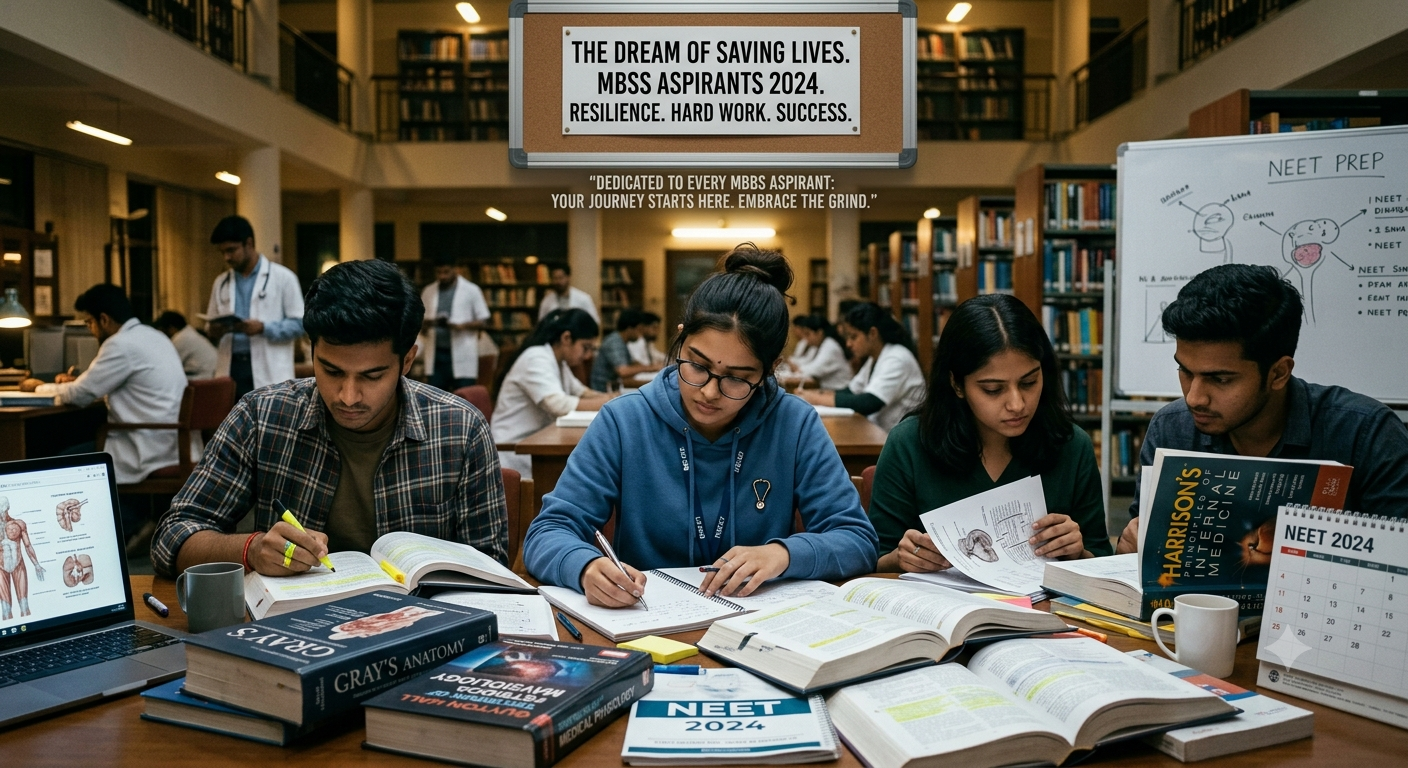
    Saving lives is noble work. Being a doctor is regarded as one of the most respectable careers in India.  Each year, lakhs of Indian students attempt the NEET (National Eligibility Cum Entrance Test) examination to qualify for admission into MBBS programmes across the country. However, of late, the number of test takers has increased multifold. This has compromised the dreams of many aspirants.  But true dreams persevere, don't they? If you are someone who aspires to become a doctor but find yourself hindered by the circumstances around you in this country, don't give up just yet, there is still hope for your dream.  Currently, about 10,000 Indian students are pursuing an MD program in the Philippines. This M.D. program is recognised as being analogous to the MBBS program in India. The M.D. is a four-year and six months professional degree program which qualifies the degree holder to take the licensure exam for medical doctors in the Philippines. More and more medical aspirants are now flocking to the Philippines, one of the finest countries in Asia offering education for foreign students.  Here are 4 key reasons why you must consider studying medicine in the Philippines:  The tuition fee is lesser in comparison to MBBS in India: The total fee for a student pursuing an M.D. in the Philippines may range anywhere between 2-3 lakhs per academic year. This amounts to an average of 20-25 lakhs for the entire programme.  One does not have to worry about cutoffs, a pass in the NEET examination is sufficient for eligibility: The basic eligibility for students hoping to pursue an M.D. in the Philippines is to qualify the NEET examination with a minimum pass percentage.   The cost of living in the Philippines is reasonable: Indian students living in the Philippines spend anywhere between 20 and 30k INR per month to cover their basic expenses.  Upon completion, the degree offers a number of opportunities: An M.D. graduate may return to India and appear for the FMGE (Foreign Medical Graduate Examination) to gain licensure to practice in India as a physician. Alternatively, the graduate may also attempt the licensure examination in the Philippines to practice as a physician.  These are only a few out of many reasons why the Philippines has now become a popular choice for those unable to secure admission to MBBS programmes in India. Students say that they often find it easier to adjust to the living conditions in the Philippines in comparison with other countries. The Philippines is a predominantly English-speaking nation. Therefore, students need not worry about barriers in communicating with the locals for day-to-day necessities. Moreover, it comes as a relief to both students and their families that the Philippines is a largely safe country to live in especially for female students.    Annually, admissions for M.D. programs in the Philippines begin in the month of June. Before you apply to colleges in the Philippines, it is important to verify if they have been recognised by the CHED (Commission on Higher Education) in the Philippines. Ensure that the colleges that you have narrowed down on are also recognised by the MCI (Medical Council of India).  We are committed to helping more students live out their overseas dreams. For more personal guidance on MBBS in the Philippines, book a session with us today. 📞 Please call us at +91 9654223759 📧 Email: info@uninxt.com

  • It is now harder to study and work in the UK than ever: Key policy changes

    For those who have been following the international education space religiously, the recent policy changes announced by the United Kingdom is no surprise. The signs were there all along, and they're now reflecting in policy changes as well. However, for many aspiring Indian students and unassuming workers with plans to move to the country, the changes may come as a shock. The country that once welcomed global talent with open arms is now pulling up the drawbridge, and the changes hitting in 2025 and 2026 are anything but subtle. However, this is not a deterrent to your dreams. Here's why: What's changing for workers? The UK government announced sweeping immigration reforms in October 2025 with the primary, overarching goal of cutting down on net migration in the country. Despite a marked decrease in migration rates to 431,000 in December 2024, the country believes that the number is still far too high. Therefore, the country has now decided to tighten its borders to international students and professionals.  The impact of these policy changes on universities and businesses is worth nothing. Starting January 2026, foreign nationals applying for skilled worker, scale-up or high potential individual visas will need to attain a B2 level in English. This is one level higher than the existing B1 requirement. These changes are complicated by the fact that the government has announced this less than three months before its promised implementation. Companies and applicants are now scrambling to meet the new standard with very little time to prepare. The immigration skills charge that employers pay is also jumping by 32%. For businesses already struggling with recruitment costs, this is a significant financial drawback as hiring international talent will now become a lot more expensive. Students face shorter post-study opportunities International students completing Bachelor's or Master's degrees will now have just 18 months to work in the UK after graduation, down from two years. The UK wants fewer graduates staying long-term. PhD students still get three years, but for Bachelor's and Master's students, the clock just started ticking faster. This change takes effect in January 2027, so current students and those enrolling soon can still access the full two years. The government is also raising financial requirements for students and hiking up the immigration skills charge for employers by 32%. For businesses already stretched thin, this makes hiring international workers significantly more expensive. The government is also concerned about the surge in study visas for lower-ranked institutions. Between 2021 and 2023, visas for universities ranked between 601 and 1,200 increased by 49%, yet visas for top 100 universities dropped by 7%.  Other countries are watching The UK isn't the only player in the game anymore, and other countries have begun to take notice of these restrictions and use them to their advantage. Germany, Australia, Ireland, and the UAE are rolling out policies that target the talent the UK is turning away.  Students and workers are asking the right questions now:  Will this visa actually get me where I want to go?  Can I afford it without drowning in debt?  Does this country value international talent? And in 2025, the UK is answering those questions less convincingly than it used to. What this means for you Countries that were once the biggest players have now, evidently, taken a backseat owing to a plethora of factors. Students and workers are now learning to look beyond that which has been said, done, and repeated for years together. If you're planning to study or work in the UK, the window is narrowing. Start preparing now for higher English requirements, tighter financial checks and shorter post-graduation timelines. If there's one thing we've learned from the UK's tightening policies, it is that the world is bigger than we've been taught to believe. International students and workers are no longer bound by geography and are now free to explore, experiment and find the destination of their dreams. Our advisors are trained to work with perplexed yet ambitious students like you to narrow down on the right choice for your academic and career goals. 📞 Please call us at +91 9654223759 📧 Email: info@uninxt.com Let's turn your study abroad dreams into reality, wherever in the world that might be.

  • This Scholarship Offered By Tata Can Get You Into An Ivy League University

    If you are an aspiring Indian student dreaming of the big American dream but taken aback by the financial tag associated with it, this scholarship is just what you need to keep the aspirations running. The Cornell University Tata Scholarship is a remarkable initiative that was first born from the vision of Ratan Tata in 2008. For 17 years since, this scholarship has continued to transform the educational journeys of talented Indian students year after year. What makes this scholarship special? The Cornell University Tata Scholarship has established itself as one of the most comprehensive educational support programmes made available to Indian students enrolled in an Ivy League school like Cornell University. Backed by a substantial $25 million endowment from the Tata Education and Development Trust, this scholarship narrows down on 20 deserving candidates each year and funds their tenure at Cornell University. Recipients of the scholarship are covered for their full cost of attendance at Cornell University. This comprises tuition, fees, room and board, books, supplies and personal expenses as per Cornell's published cost of attendance for the academic year. For many students hailing from humble backgrounds, the Tata Scholarship has offered a leg up in life and has helped over 340 students turn their dreams into reality. Who can apply for the scholarship? The eligibility criteria for the scholarship include the following key features: Applicants must hold Indian citizenship with a valid passport. Dual citizenship holders of Indian origin are not eligible. The scholarship shows preference for students who have completed their secondary education within India. Students applying for full-time undergraduate programmes at Cornell's Ithaca campus are eligible to avail the scholarship. This includes first-year applicants, direct transfers and visiting undergraduates across various disciplines.  While Cornell maintains a test-optional policy through 2025, strong SAT or ACT scores are also highly recommended. International students from India must produce an IELTS score of at least 7.5 to qualify. The academic programmes covered include those from the College of Architecture, Art, and Planning; College of Engineering and Applied Economics and Management major in the Cornell SC Johnson College of Business; as well as various other majors in biological sciences, physical sciences and social sciences. How to apply for the scholarship?  To apply for the Tata Scholarship, students must first submit their application for undergraduate admission and complete the College Scholarship Service (CSS) profile stating that they require financial assistance. Following this is the documentation process during which the applicant submits income statements, tax returns, employer letters and bank statements as proof of financial need. In addition to this, the student's academic records, transcripts, letters of recommendation and personal statements are then subject to an exhaustive evaluation by faculty and admissions officers at Cornell. Parallelly, the financial aid office conducts a thorough audit and a detailed review of all the financial documents submitted. Things to note The Cornell University Tata Scholarship is renewable for the entire tenure of the undergraduate programme. For four years spread out over eight semesters, recipients must maintain satisfactory academic performance with a minimum GPA of 3.0 to continue receiving fiscal support. For programmes spread out over ten semesters, such as that of architecture, the scholarship offers financial support for eight semesters. For many Indian families, the cost of international education can seem almost insurmountable. The Tata Scholarship has changed the lives of many such ordinary families who have children with extraordinary dreams. For those ready to take the next step, detailed information and application guidelines are available through Cornell's admissions office. To connect for queries regarding application or admissions, reach out to admissions@cornell.edu , international@admissions.cornell.edu , tatascholars@cornell.edu or finaid@cornell.edu . Your dream of studying at an Ivy League university like Cornell may be closer than you think.

  • Are you an international student? Then these are the financial habits you must unlearn

    Studying abroad is a dream for many. And for those international students who overcome the odds to go after their dreams, studying overseas is an exciting milestone. A milestone as noteworthy as this also comes with its own set of challenges. The financial trials, in particular, often catch many students off guard. While universities around the globe offer guidance on tuition and accommodation costs, everyday money management and other miscellaneous living costs are often left unaddressed.  A Gross Underestimation According to HSBC's Value of Education report, over 60% of international students underestimate living expenses during their first semester. This is largely due to their unfamiliarity with the country's financial systems and cultures. Here are five common financial habits that international students need to reconsider to make the most out of their time there: 1. Relying heavily on cash : Many students arrive with wallets full of cash only to find out that their new home operates almost entirely on a digital payment framework. Physical cash is rapidly becoming obsolete in many countries. Therefore, students must open a local bank account immediately upon arrival. Options like N26 in Europe, Monzo in the UK or Wise globally offer free student accounts with contactless cards and low international fees.  2. Avoiding credit cards completely : Not having a credit card can often be a costly mistake. Building a credit history is an important step forward towards your future financial opportunities. Presently, many background checks now include credit scores and students without an established credit history are often heavily disadvantaged. The key is using credit responsibly rather than avoiding it altogether. Students should consider low-limit and no-fee credit cards. 3. Not tracking your daily expenses : Small purchases add up quickly, especially when you are still learning the waters. Without clear tracking, students often struggle to identify where their money actually goes. However, all thanks to modern banking apps, international students can now make expense tracking almost effortless.  4. Ignoring hidden and recurring costs : Initial budgets typically cover obvious expenses like rent and groceries but students often overlook recurring charges that accumulate over time. Campus service fees, seasonal heating bills, mandatory health insurance and annual transit passes can sometimes derail your monthly budgets. Planning for these costs early on can prevent budget emergencies later. Start Now Start today, even before arriving at your University. Begin by researching your destination's payment norms before arrival. Open local accounts early, establish credit responsibly and don't hesitate to seek guidance when needed. The students who thrive abroad are those who view change as an opportunity to expand their capabilities rather than look at them as immovable obstacles. By adjusting financial habits thoughtfully and proactively, international students can focus on what truly matters: their education and the incredible experience of living in a new country.

  • Everything You Need To Know About The University of Utah

    High up in the rocky mountains of the popular Salt Lake City of the University of Utah, an institution is alma mater to some of the brightest minds in the world. Since its founding in 1850, the University of Utah, a public research institution has maintained a notable presence on the international academic stage.  Global Rankings The University of Utah is ranked #531 in the QS World University rankings. The ranking, however, only tells part of the story. The institution has consistently earned recognition as the top public university in the West. The University of Utah offers an impressive portfolio of over 130 programs spread across 18 colleges and schools. Students can pursue everything from traditional liberal arts degrees to specialized programs in Artificial Intelligence and Computer Science.  Specialized programs The university also operates Utah's only medical, dental and pharmacy school and trains the majority of the state's healthcare professionals. Similarly, the School of Computing and College of Engineering have earned national recognition for producing some of the competent and industry-ready graduates. For students aspiring to pursue programs in business, the David Eccles School of Business prepares future leaders through rigorous programs in finance, marketing and entrepreneurship.  Career Outcomes That Matter For students at the University of Utah,  life after graduation brings endless possibilities. Graduates consistently find success in competitive job markets with major employers actively recruiting Utah students including technology pioneers like Google, Meta, and Amazon as well as healthcare organizations, financial institutions and consulting firms. As a research university,  Beyond The Classroom  Situated in one of America's most beautiful cities, students enjoy world-class skiing, hiking and outdoor recreation just minutes away from the campus. Outside the classroom, students find fulfilling activities and thrive both intellectually and personally. The lives of students who get into the University are forever. And these graduates go on to make impactful change that reverberates through the rest of the world.  Do you dream of getting into a top institute in the USA like Utah? Book a session with us today and crack the code. Let's get you into your dream university. Please call us at +91 9654023759 or send an email to info@uninxt.com .

  • University of South Carolina: A Global Academic Community

    The University of South Carolina has, over the years, established itself as a premier educational institution in the USA. But what truly distinguishes USC from other Universities in the region is that it commits to building a global community of students. The institution houses facilities and has policies in place that honor the holistic growth of its students, a sizable proportion of whom are international students from across 100 nationalities. With classes kicking off on August 19th and welcoming new students from July 19th onward, the University of South Carolina opens its doors to an experience that goes way beyond textbooks and lectures Academic Excellence and Support The University of South Carolina has established itself as a leader in higher education, ranking as the #61 top public schools in the nation. Sure, USC ranks among the best public schools in the nation but what really sets it apart is how it treats its students. The university maintains high academic standards and offers extensive support systems for student success. Students benefit from personalized attention through small to medium class sizes, allowing for meaningful interactions between faculty and students. The institution prides itself on this very philosophy of helping students achieve their career goals.  A Truly Global Community and Not Just by Figures One of USC's most distinctive features is its incredibly diverse student body, with over 100 nationalities represented across campus. The university continually seeks to support this global community through varied cultural and religious organizations including the International Student Association (ISA), which serves students from more than 100 countries. The university hosts over 26 international and cultural groups that work in unison to celebrate the diversity on campus and encourage peaceful co-existence. These organizations include the Muslim Student Association (MSA), which organizes weekly prayers, Eid celebrations, interfaith events, and educational programs, as well as the Pan-African Student Association (PANASA) hosting cultural showcases, dance nights and networking opportunities for students across the African diaspora. A Campus That Never Sleeps  No more worrying about sitting your schedule into official gym hours because USC's fitness facilities are open 24/7. Whether you're an early bird looking to start your day with a workout or a night owl needing to burn off stress from finals, the gym is always open and welcoming. For those seeking relaxation and recreation, the campus also houses lodges and coworking spaces as well as clubhouses with entertainment areas. The campus also boasts some other very impressive recreational facilities like a two-story rock climbing wall, yoga. One may even take Zumbe classes on campus, take advantage of a fully-equipped gymnasium and diverse into both outdoor and indoor swimming pools. With over 575 active student organizations on campus, for students at USC, the institution is a place of endless possibilities. These student groups span various interests including 50+ clubs focused on intramural sports such as soccer, volleyball and martial arts, plus over 20 music and arts groups covering dance, theater and musical ensembles.  A Campus Located Next To Convenience  The University of South Carolina has maintained its position as the 6th safest campus in the nation. Located in close quarters to the state house in Columbia, South Carolina's second most populous city, the campus has shuttle transportation services running every 20 minutes to locations across the city. Students take in the pleasant weather in the region and enjoy short winters that pass the city. Moreover, students also have the opportunity to take weekend trips to nearby beaches and mountains. It is also worth noting that USC seeks to support its incoming batches of international students to the fullest. Soothing the worries of students’ families, USC offers student services including visa and deadline support, personalized pre-arrival guidance, 24/7 emergency assistance, airport pickup as well as move-in assistance.  Stay Connected: Your USC Journey Starts Now Before you even step foot on campus, USC's International Admissions Program (IAP) is here to guide you along the way so you don't have to navigate this journey alone. To get a comprehensive look into campus life, check out their campus tour videos on YouTube at bit.ly/USCCampus . If you're about connecting with other prospective students, this link  has all the best ways to stay in the loop.

bottom of page